She Glued 20 Mini Terracotta Pots to a Foam Cone, Then Covered the Gaps With Moss

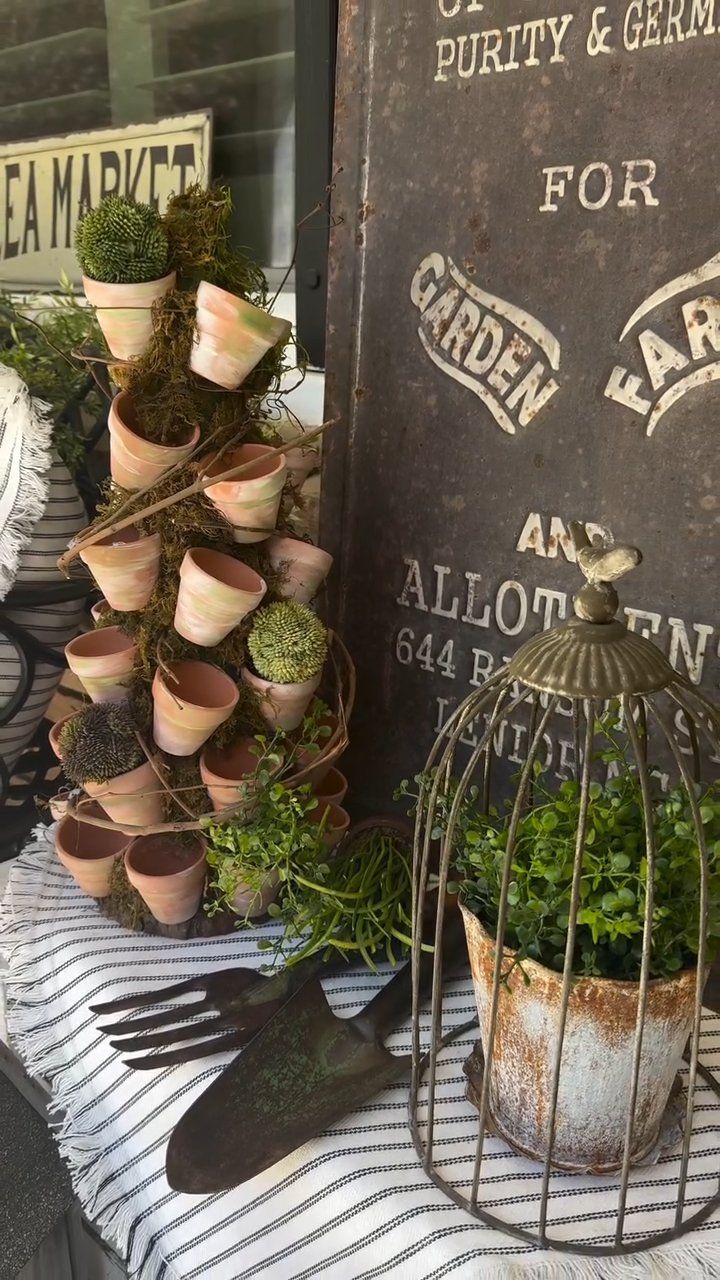
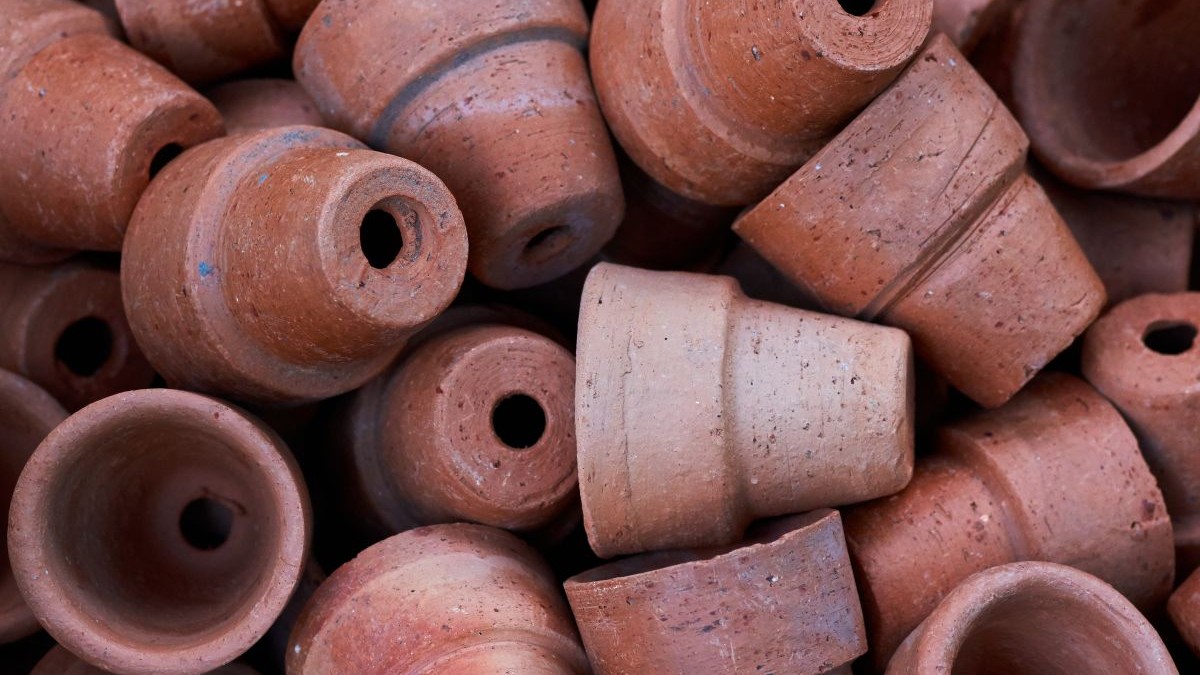
Mini terracotta pots are made for holding plants, but this project uses them to build a small garden tree instead. The pots are glued around a foam cone at different angles, with moss tucked between them to hide the green surface. Once finished, the arrangement resembles a collection of old clay planters stacked into a tree.
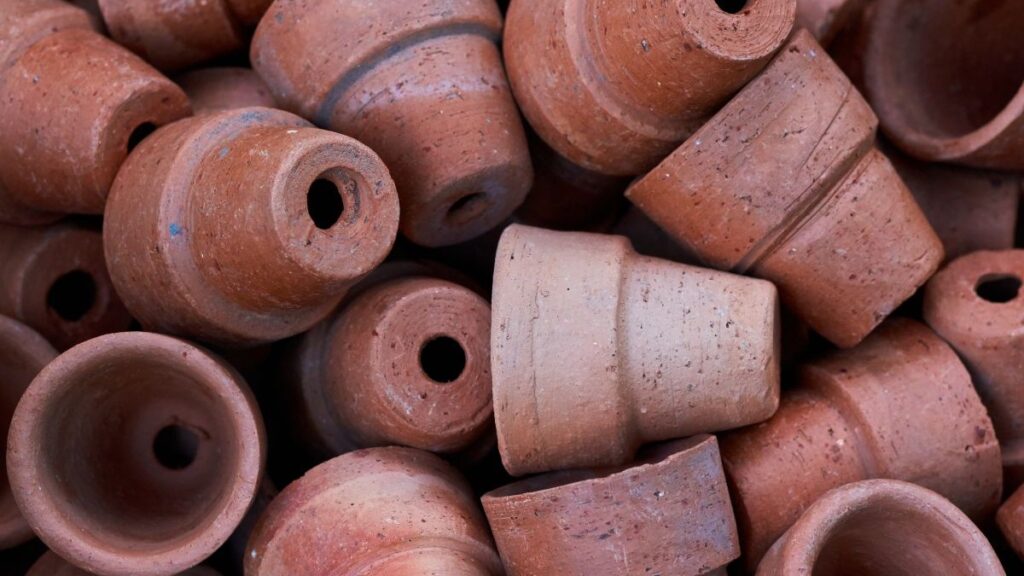
DIY creator Cindi, known as @craftyhomebycindi, used a round wood slice for the base and gave the pots a distressed finish before attaching them. Twigs, moss balls, and small plants complete the display, which can sit on a patio table, garden shelf, or covered porch.
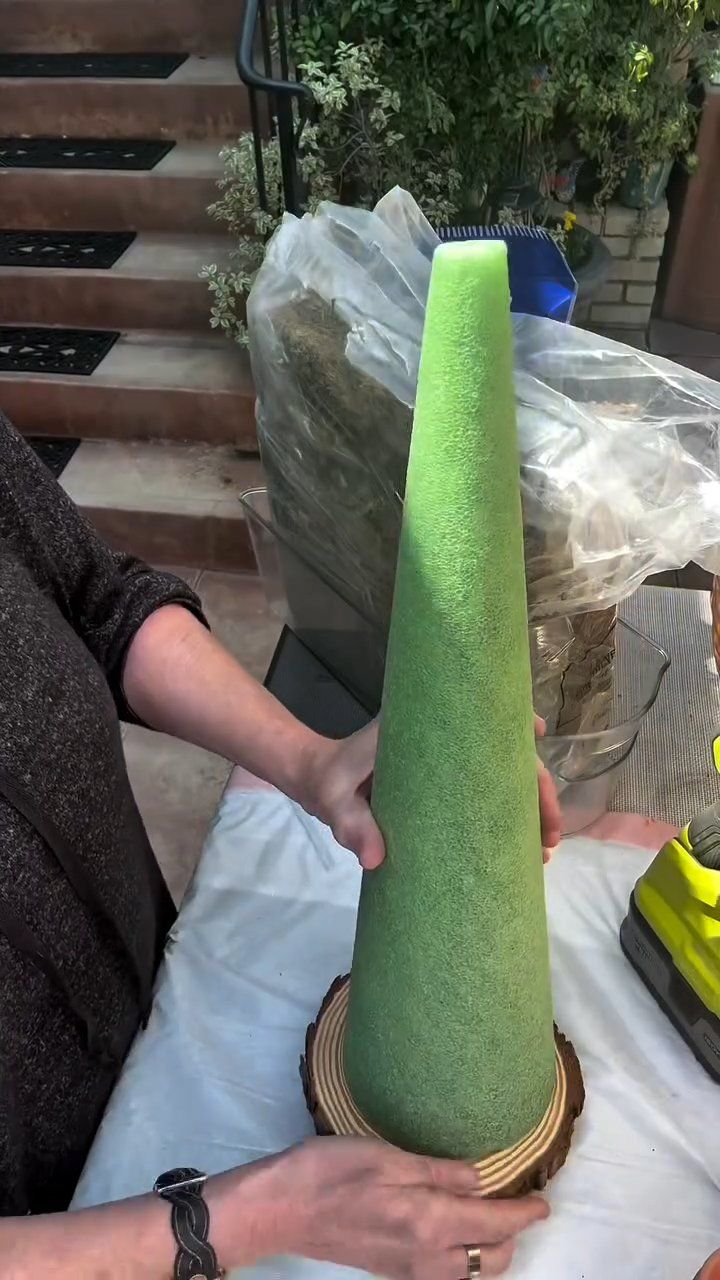
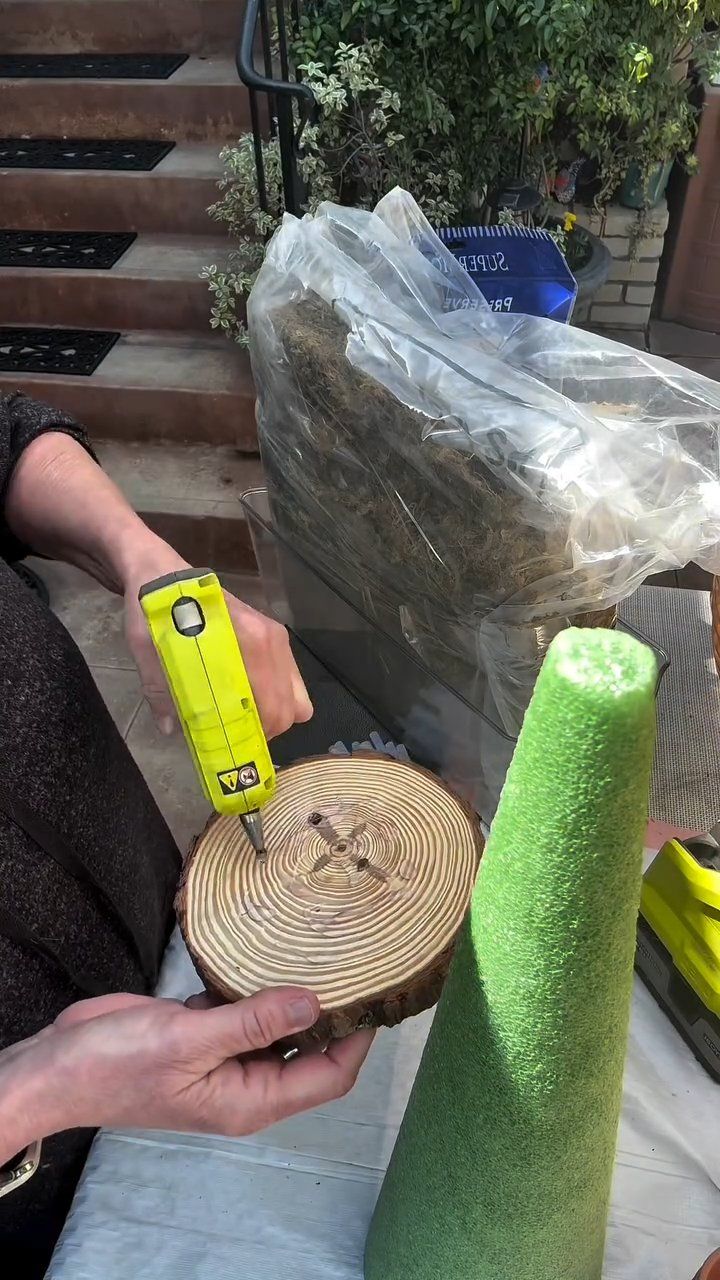
Hot Glue Secures the Foam Cone to a Wood Slice
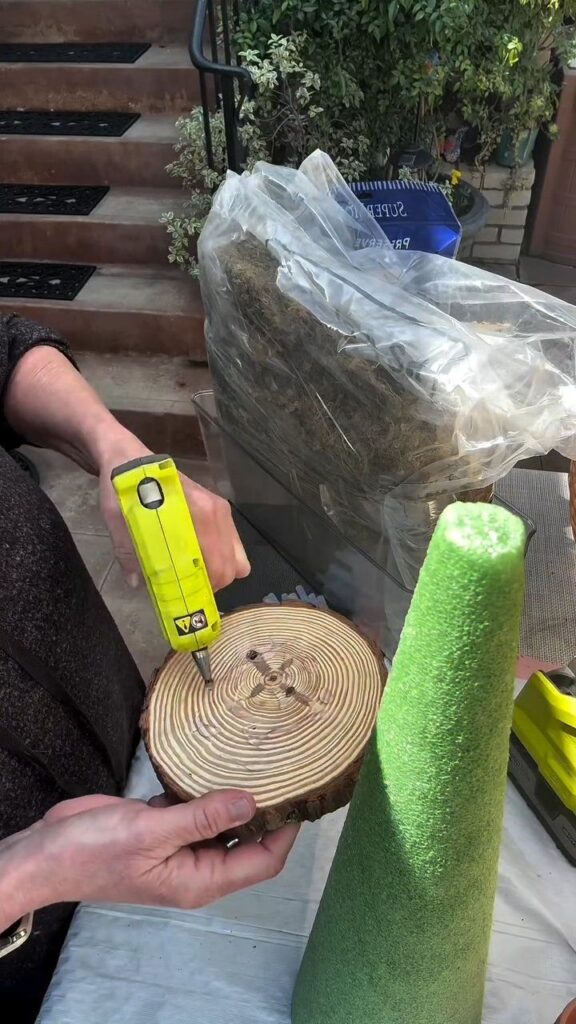
The project begins with a round wood slice large enough to support the foam cone. Hot glue is applied to the wood before the cone is pressed into place. The bark remains around the edge, giving the base a natural finish.
The Foam Cone Creates the Tree’s Shape
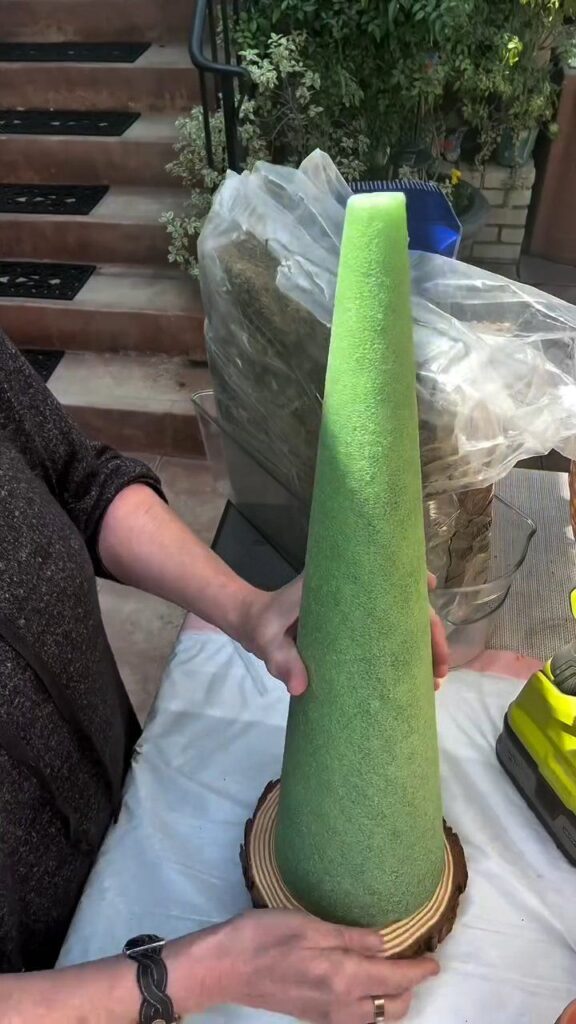
The tall, tapered cone forms the structure that holds the pots. Its wider bottom provides room for several pots around the base, while the narrowing top determines how the upper rows will fit.
The cone remains upright on the wood slice, allowing the pots to be attached without building a separate frame.
Mini Terracotta Pots Are Glued Around the Cone
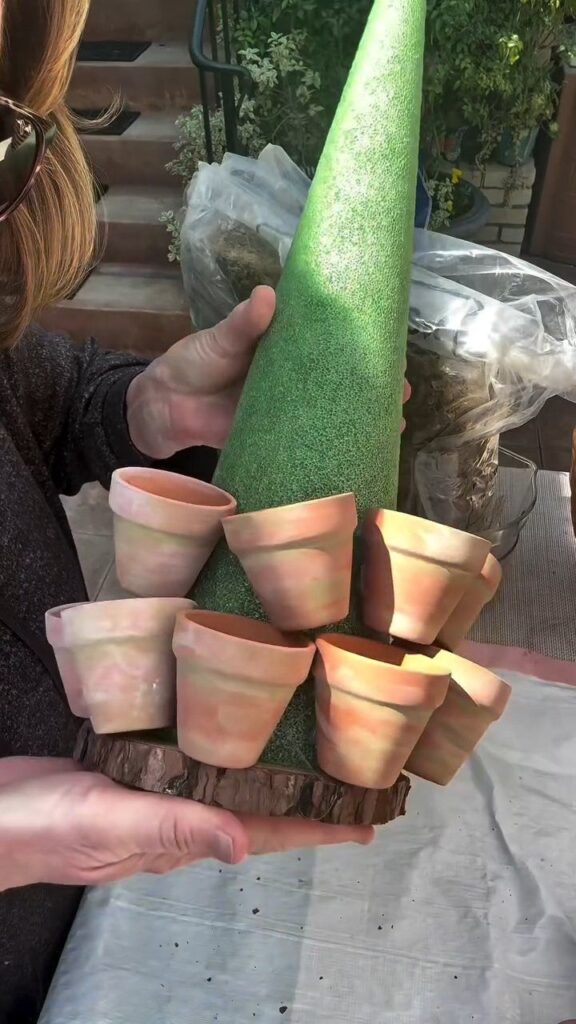
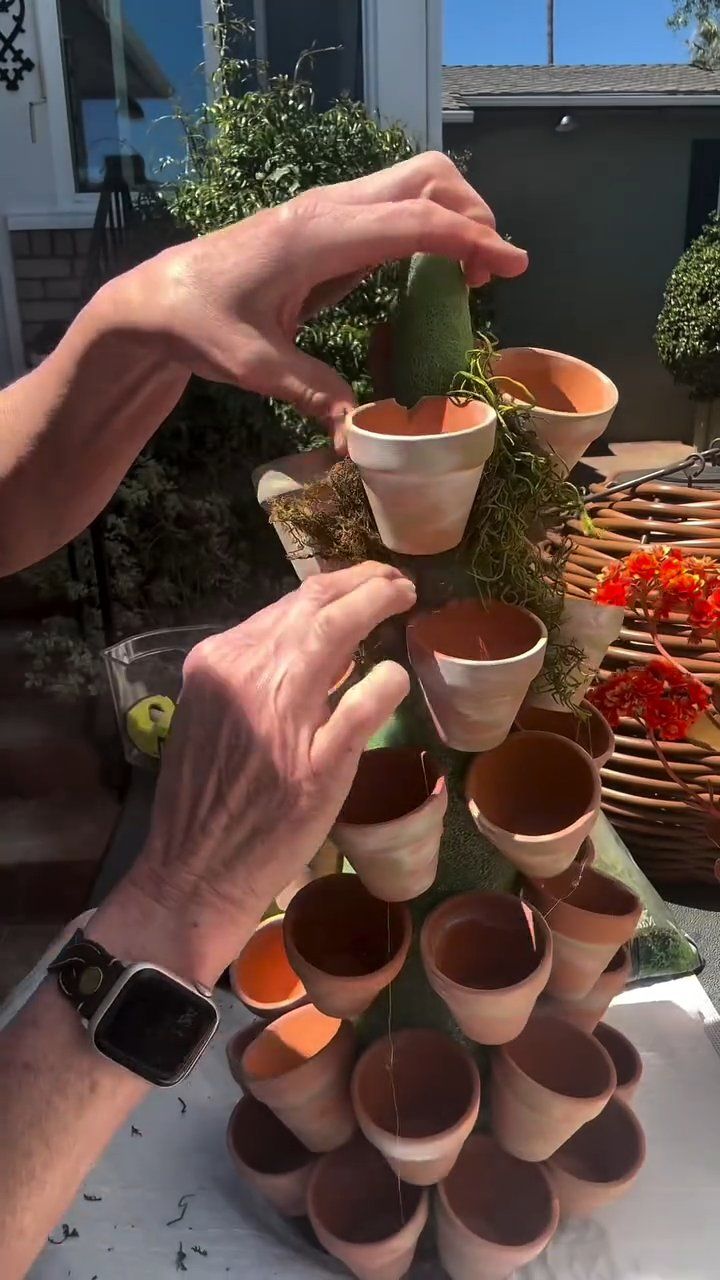
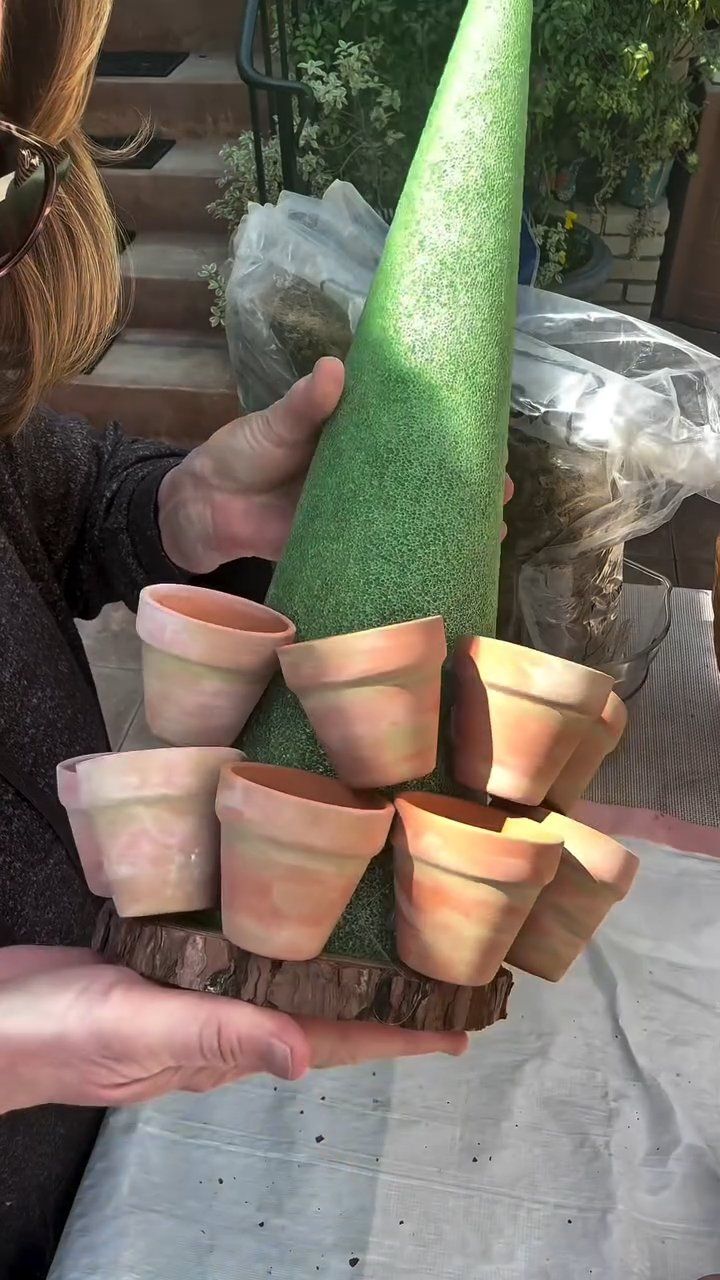
Cindi gives the miniature clay pots a worn finish before attaching them with hot glue. She starts near the bottom and positions each pot with its opening facing outward.
Rather than arranging them in straight columns, she offsets the pots and changes their angles as she works up the cone. Small gaps remain between the rims, leaving space for the moss added later.
Moss Covers the Spaces Between the Pots
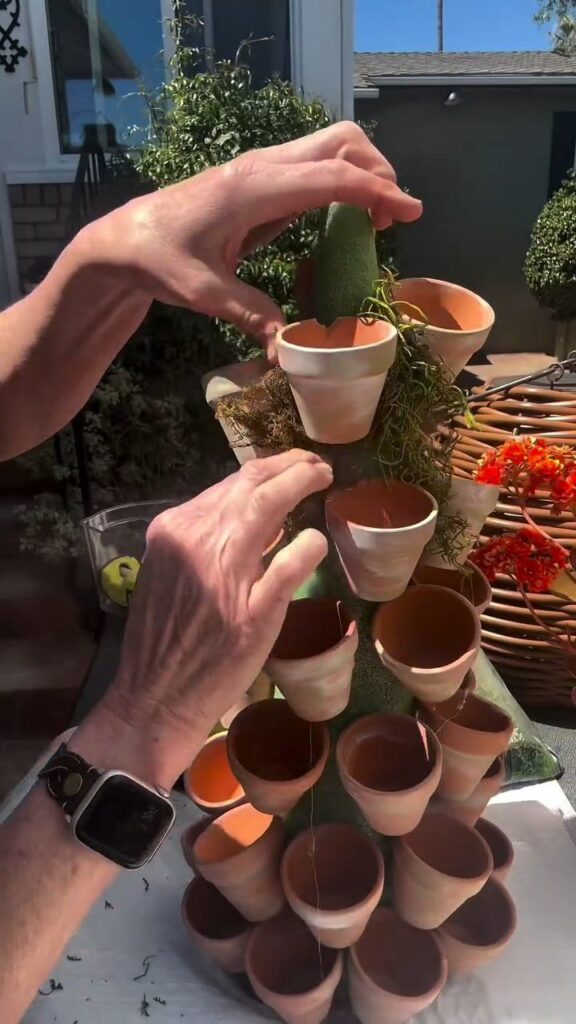
Once the pots cover the cone, moss is tucked into the exposed spaces. The green material disappears beneath the moss, which also softens the transitions between the clay surfaces.
Some pieces hang over the edges of the pots, while others fill the narrow gaps near the top. The pots remain open for small decorations.
Twigs and Small Plants Complete the Garden Tree
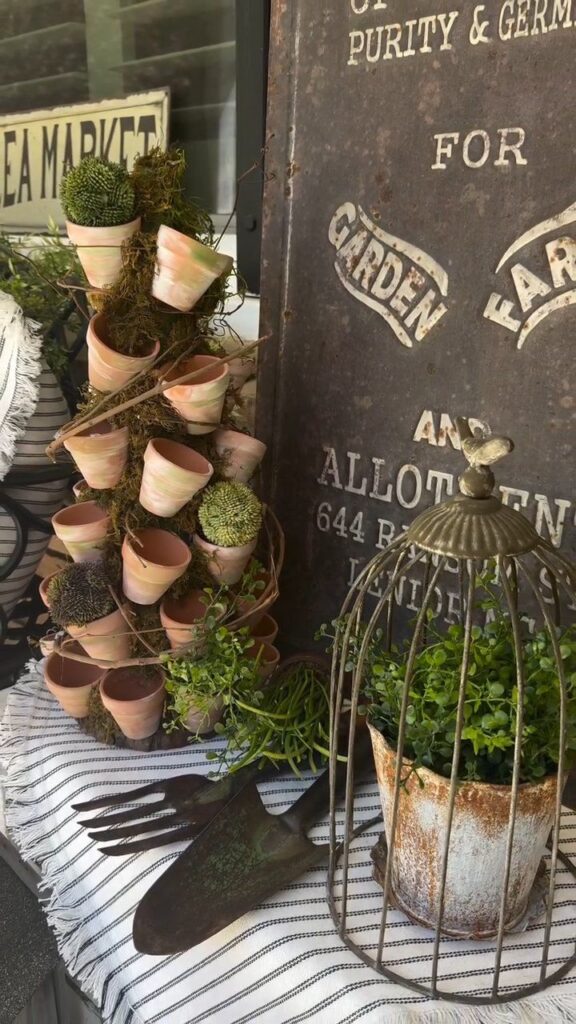
The finished tree combines distressed terracotta, moss, and thin branches wrapped around the arrangement. Small moss balls and miniature plants occupy several pots, while others remain empty.
Cindi displays the tree among vintage garden accessories, including an old metal sign, gardening tools, and a wire cloche. The combination makes the new craft resemble a collection of weathered garden pieces.
Because the structure uses foam and hot glue, a sheltered location is preferable to an exposed garden bed where rain and wind could damage the arrangement.
Would you leave the terracotta pots in their natural clay color or give them a distressed finish?