You can stop cleaning your kettle with vinegar: a spoonful of this powder loosens limescale without the sour smell
Descaling a kettle with vinegar can leave the kitchen smelling sour long after you’ve tipped the water out. There’s a way to loosen the same chalky buildup with a spoonful of powder from the canning shelf. It has very little smell of its own, and a light coating of limescale can come loose in a single boil. The part to watch is the white ring around the base, where deposits can linger even after the center looks clear.
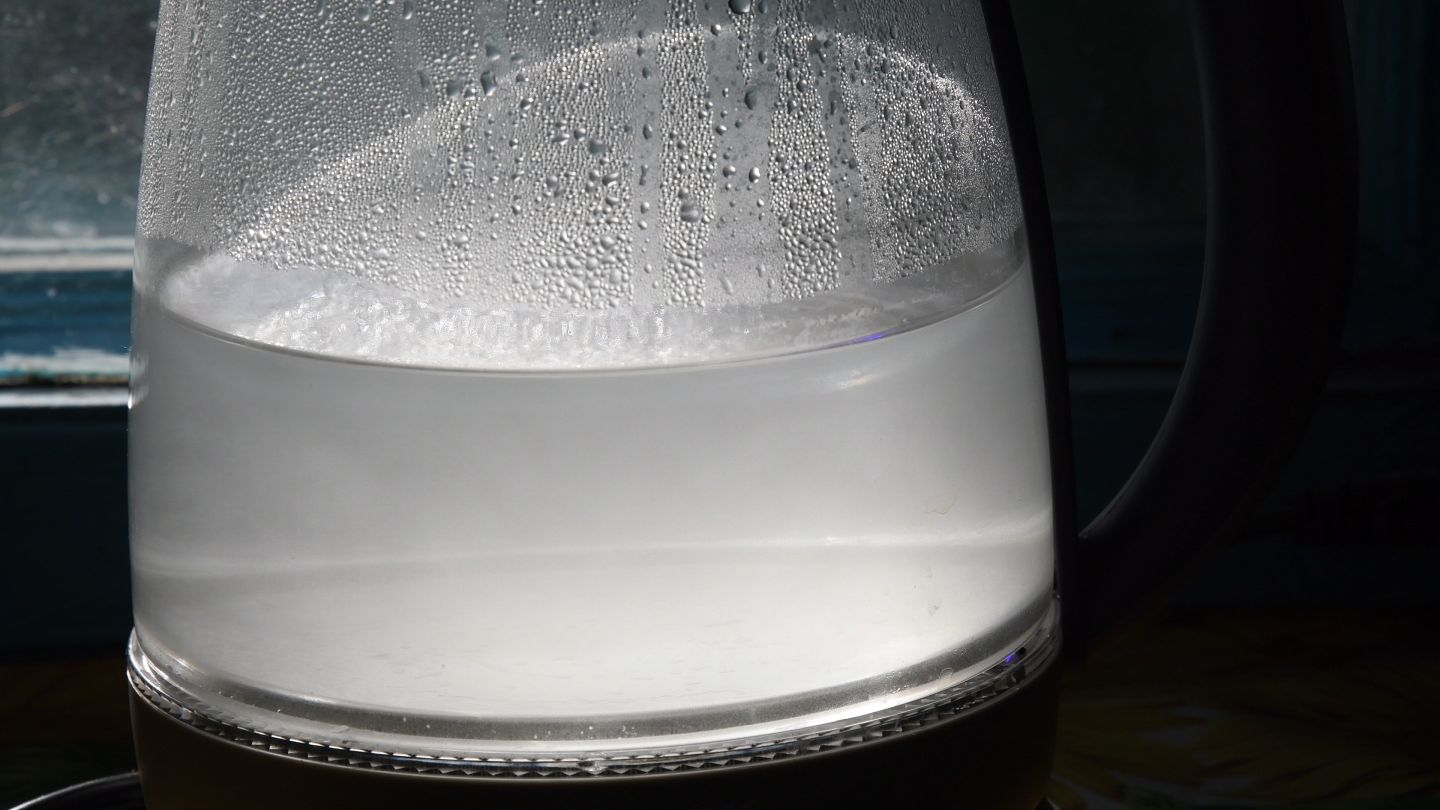
The powder that takes the place of vinegar
It’s food-grade citric acid. The white crystals look a little like fine sugar, so check the label when you pick it up. It’s the kind sold for home canning. Dissolved in water, it can loosen the mineral deposits in a kettle without the sharp smell that comes from heating diluted vinegar.
Limescale starts with minerals dissolved in tap water. As the water heats, some of those minerals form a solid deposit on the inside of the kettle. A thin layer can look like a cloudy patch on the bottom. As it builds up, it can form a rough white ring or break away in flakes that end up in your tea. The acid needs to reach the deposit, so where that ring sits matters when you fill the kettle.
What the citric acid study found
In their 2019 study, Experimental Verification of Consumer Information on Calcium Stain Removal with Citric Acid, Junko Komatsu, Remi Tamogami and Masaru Oya found that citric acid and acetic acid, the acid in vinegar, both dissolved calcium carbonate in lab tests. Calcium carbonate is a major component of kettle limescale. The study appeared in the Journal of Home Economics of Japan.
The researchers also found that a new solid had formed when they checked the citric acid mixture after a day. The practical lesson is to empty the kettle when the recommended soak is up and rinse it thoroughly. Leaving the solution in the kettle overnight can give the minerals time to form another residue.
How much to use and how long to leave it
For the quick version, I settled on one level tablespoon as the starting amount for a light coating. Check the kettle’s descaling instructions first. If they allow citric acid and say the solution can be heated, add enough water to cover the affected area and reach the minimum fill line. Stay below the maximum. If the instructions give a different dose or tell you to add the powder after heating the water, follow those directions.
Bring the solution to a boil once, switch the kettle off and let it cool enough to pour safely. The quick version has no extra soak for light buildup. Pour it out and rinse well with fresh water. If your kettle’s instructions call for a final boil with plain water, pour that water away too before brewing anything.
A thicker crust can need more time. Some models specify a 15-minute soak, while others call for half an hour or longer. Use the time given for your kettle. If the base looks clearer but you still see white specks as you pour, check the spout filter. Loose flakes can get caught in the mesh and come out on the next pour.
What to look for after rinsing
Let the base dry before you judge the result. A thin white film can be harder to see when it’s wet. Look where the bottom meets the sides, especially if the center has already cleared. If you see only loose flakes, another rinse may be enough. If there’s still a crust stuck to the base, check whether your kettle’s instructions recommend repeating the treatment.
A spoonful of citric acid in water loosens the chalky buildup, then a good rinse carries it away. The vinegar stays in the cupboard, and the next thing you smell when the kettle goes on can be the tea you’re making. That’s the trick.